Unlike multicellular and unicellular organisms, whose units are mostly fixed to a location, a honey bee colony is a superorganism, with moveable units that interact with each other and with their nest environment to gather information.
Researchers in the Smith Lab are encouraged to develop their own research program within the broad framework of social physiology and understanding how honey bee colonies function.
Below are some examples of the type of work we do.
We know that workers of different ages perform different tasks in different parts of the nest. Young bees, for example, perform brood care in the center of the nest, while older bees advertise food sites on the dance floor, near the nest entrance. This system of temporal polyethism means that workers of different ages are located in different parts of the nest. It is unknown, however, how individuals change the way they move to get to the “right place” (nest location) at the “right time” (worker age). One could think of this as the circulatory system of the superorganism.
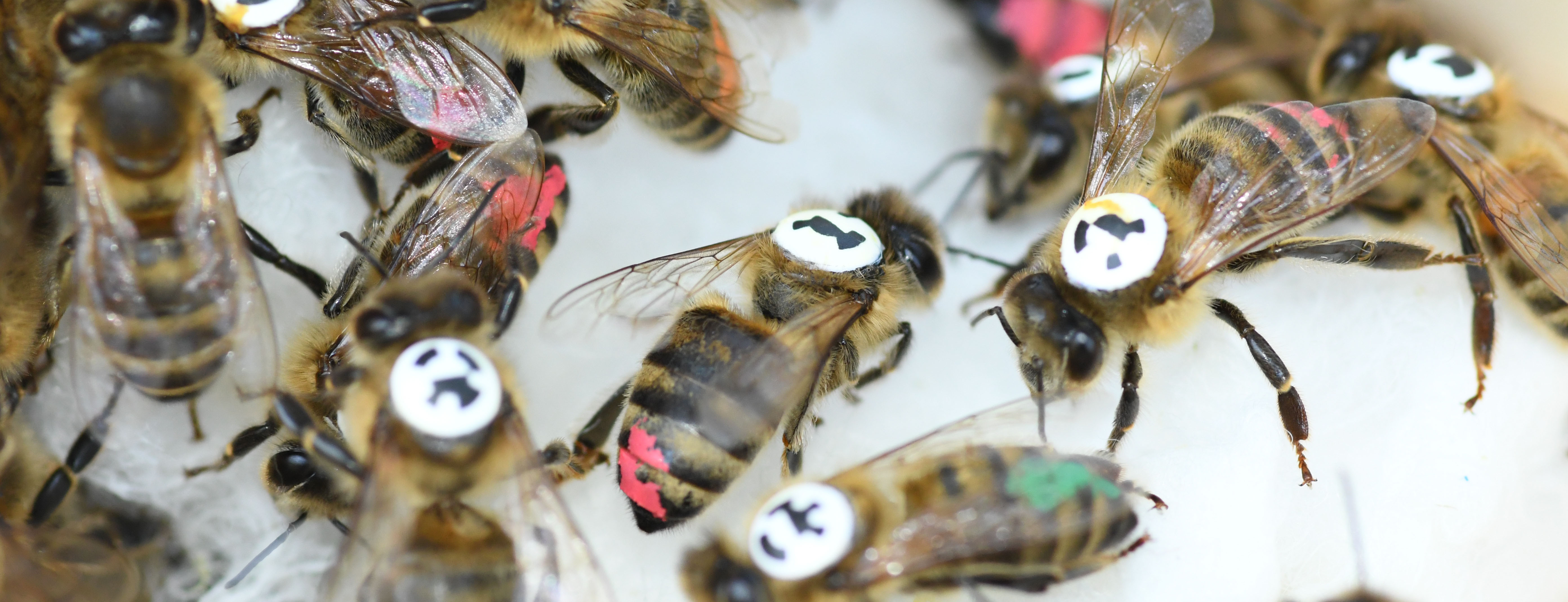
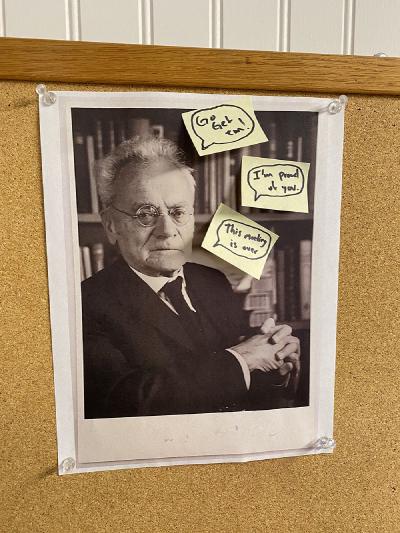
This type of research was previously unimaginable, because it would take so much time to watch each individual bee. Indeed, much of what we knew about the individual tasks of a honey bee originate from Martin Lindauer’s impressive work on bee #107 (he watched this bee for 7.5+ hrs per day, for 24 days). Instead of watching each bee individually, we use the BeesBook tracking system, developed by our close collaborators, the Landgraf Lab. We use this system to track bees throughout their entire lives, to understand the variability in individual life histories.
Growth, development, and reproductive shifts in honey bee colonies
All living systems have cycles of growth, development, and reproduction. Developmental cycles regulate how organisms invest resources, how they behave, and how they interact with their environment. These cycles, just like the organisms themselves, are under constant selective pressure to allocate resources adaptively in a stochastic biotic and abiotic environment. While this problem is universal, from unicellular yeast, to multicellular mammals, to superorganismal social insects, our understanding of how individual units detect the developmental state of the whole organism is limited.
One such developmental shift is the onset of reproductive investments, akin to puberty. In honey bee colonies, this occurs when workers collectively shift to building reproductive comb, for rearing drones. We know that the workers will only do this once the colony has surpassed a threshold colony size, but how do the workers detect that they are living in a colony that can “afford” to invest in reproduction?
Nest construction, architecture, and organization
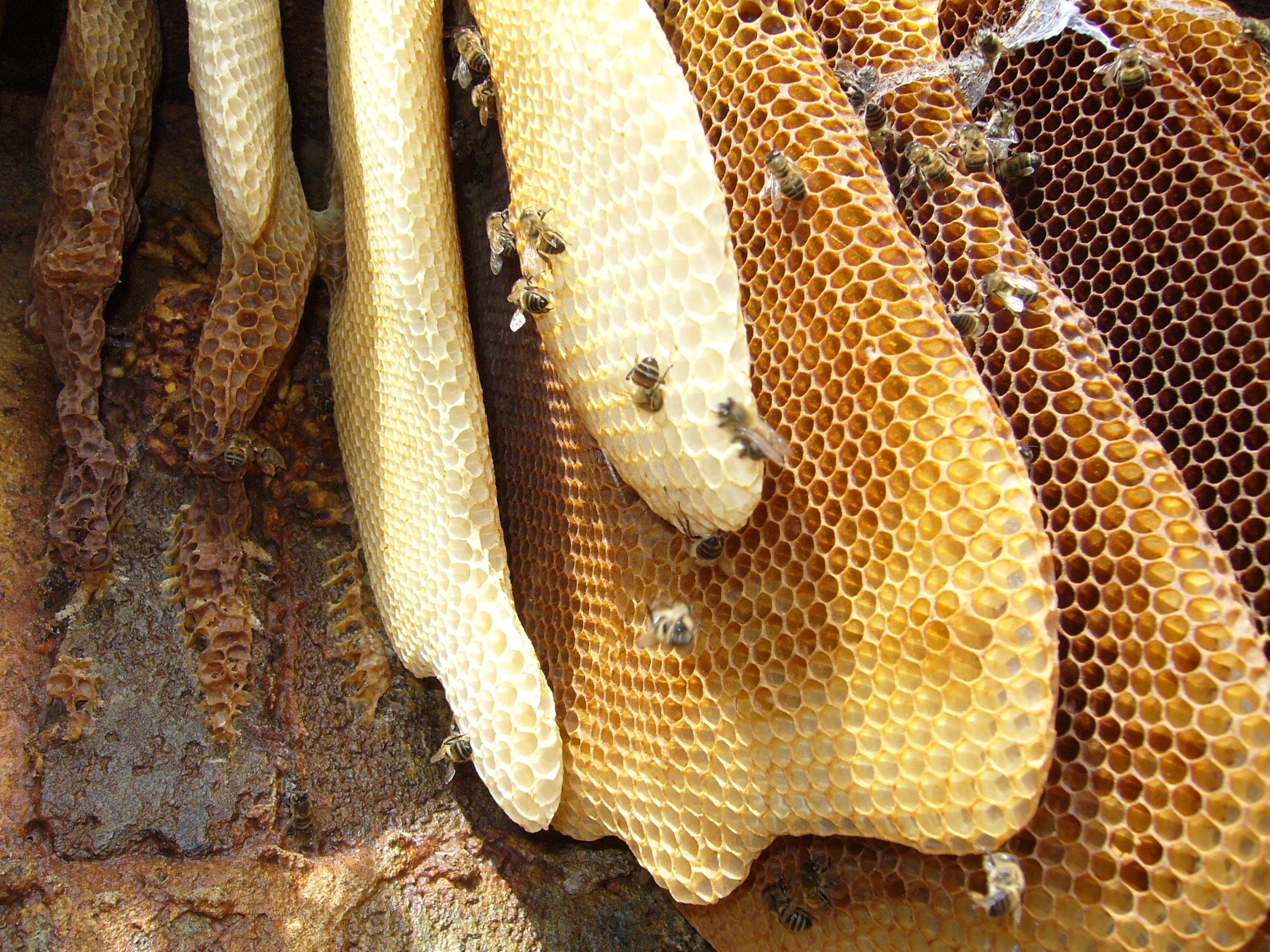
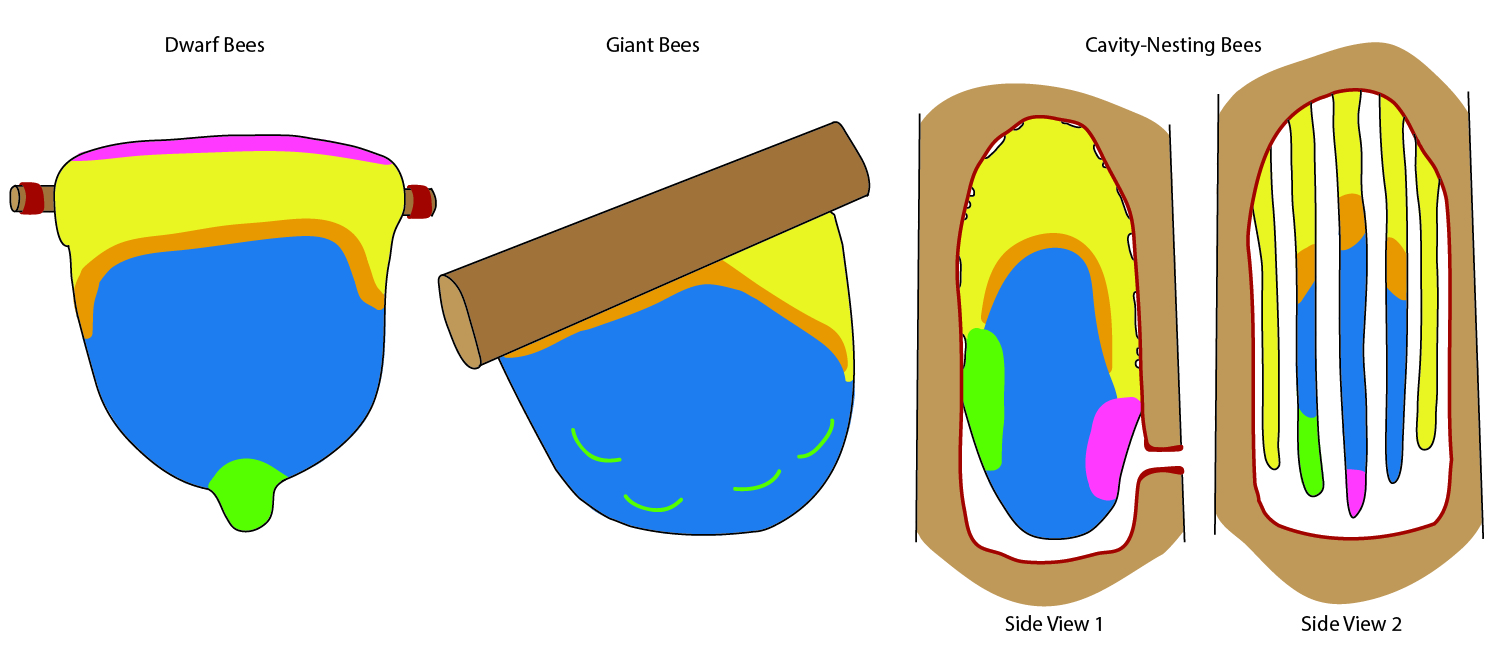
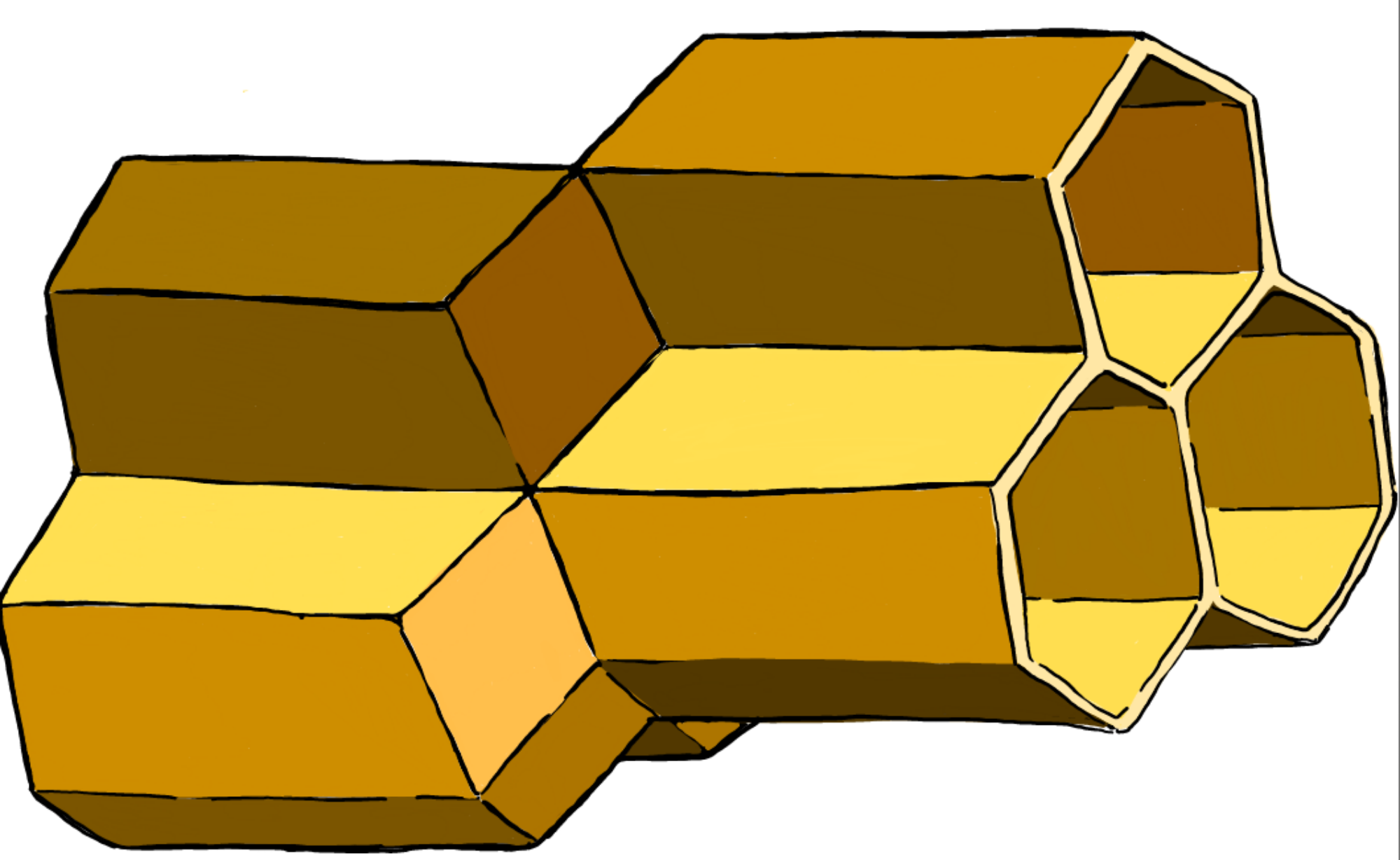
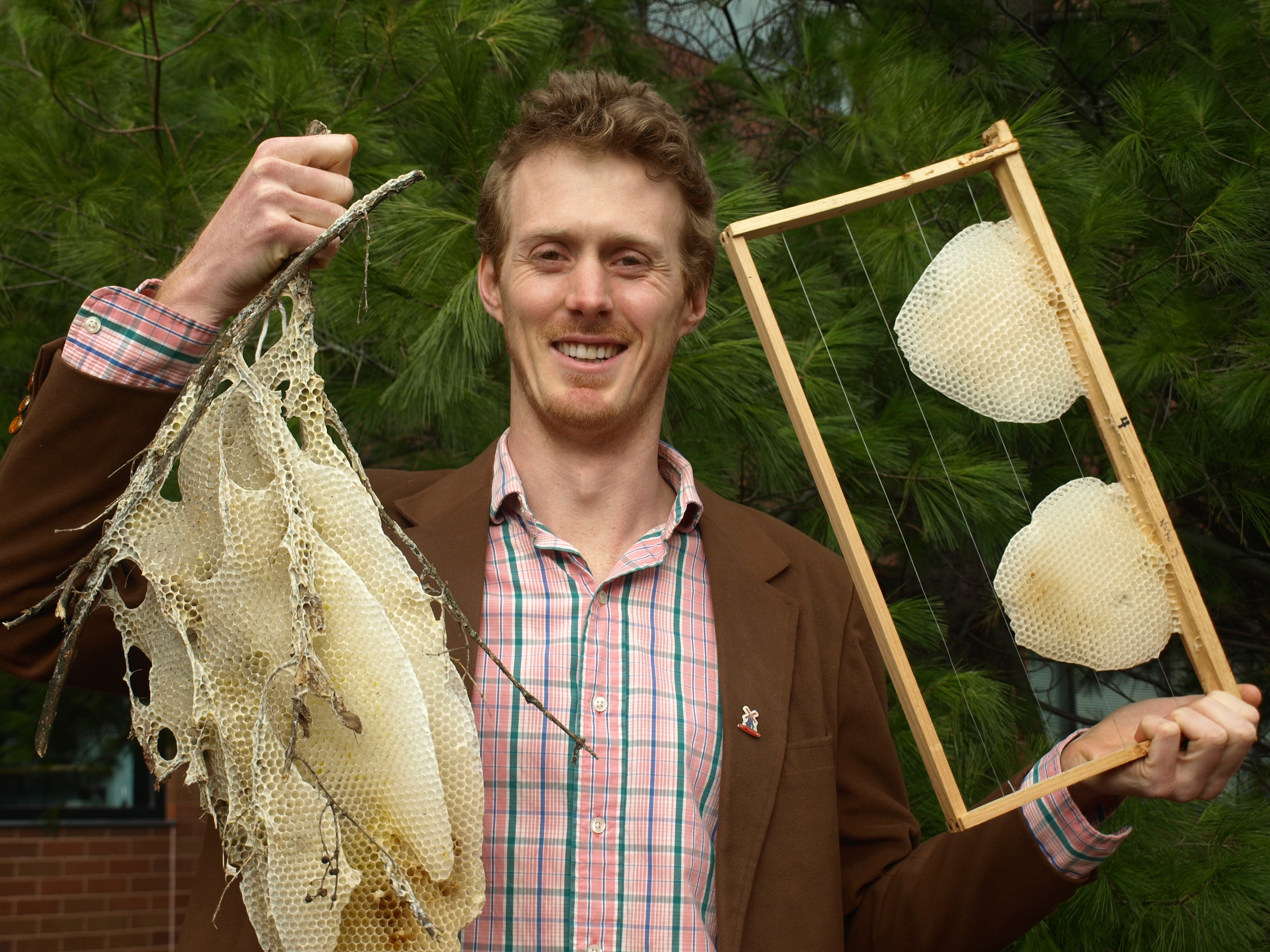
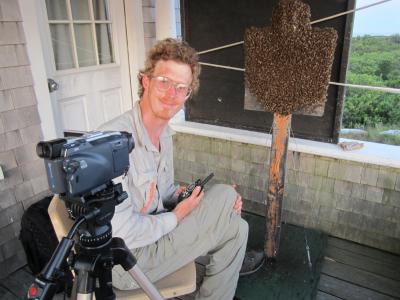
Honey bee nests inspire awe at multiple levels–from the perfection of the stacked hexagons, to the organization of the nest by the unsupervised collective. The honey bee nest is tightly linked to colony function. It is where new workers are reared, food is stored, and information is exchanged. The honey bee nest is a prime example of an extended phenotype – an external structure built by an organism that contributes to its fitness. Social insect nests provide extreme examples of the extended phenotype, because the nest itself is critically important for all aspects of colony life. In the same way that one might study the behavior and physiology of a “traditional” organism, we apply the same principles to the nest of the honey bee.
People
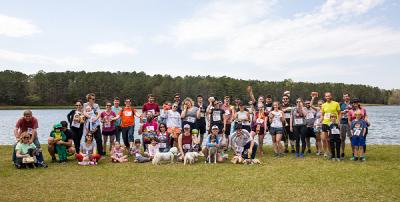
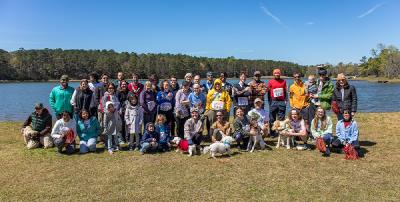
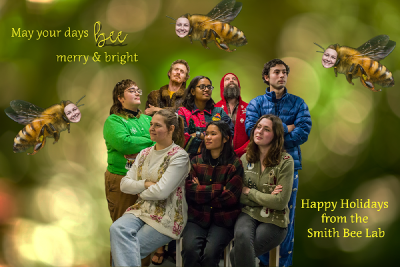
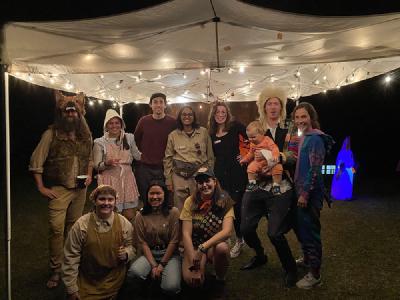
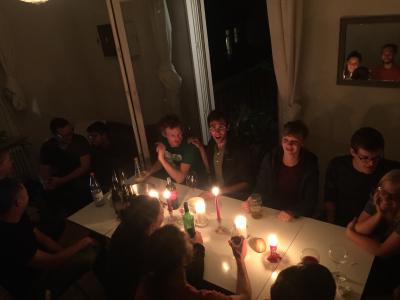
Lab Photo 2021
That dog does not belong to any of us
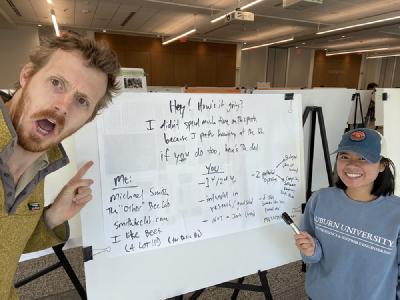
Michael L. Smith
Assistant Professor at Auburn University
Affiliate Member of the Max Planck Institute of Animal Behavior
Postdoctoral Fellow, Collective Behavior – Max Planck Institute of Animal Behavior / University of Konstanz
Ph.D., Neurobiology and Behavior – Cornell University
A.B., Molecular Biology – Princeton University
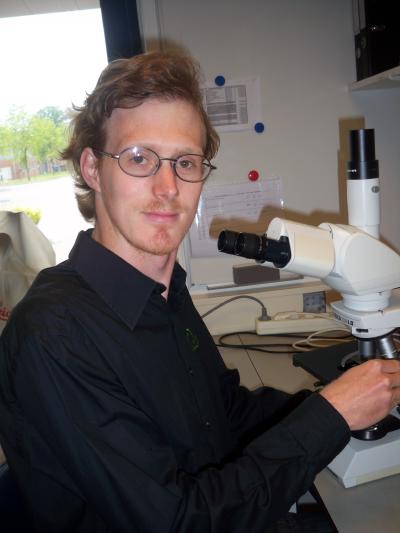
Michael is an Assistant Professor in the Department of Biological Sciences at Auburn University. He’s interested in how honey bee colonies function, how their nests are organized, and how individual bees detect the developmental state of their colony.
Ph.D., Animal Behavior, Arizona State University
M.A., Biological Sciences, University of Missouri – Columbia
B.S., Biological Sciences, University of Missouri - Columbia
Peter is a creative behavioral ecologist interested in collective behavior, environmental effects, species interaction, and natural history. He takes a highly integrative approach to exploring mechanisms and consequences of behavior by incorporating fieldwork, digital tools, genetic analysis, metabolic measurements, and microbiomics.
B.A. in Organismal Biology, Auburn University, expected graduation May 2023
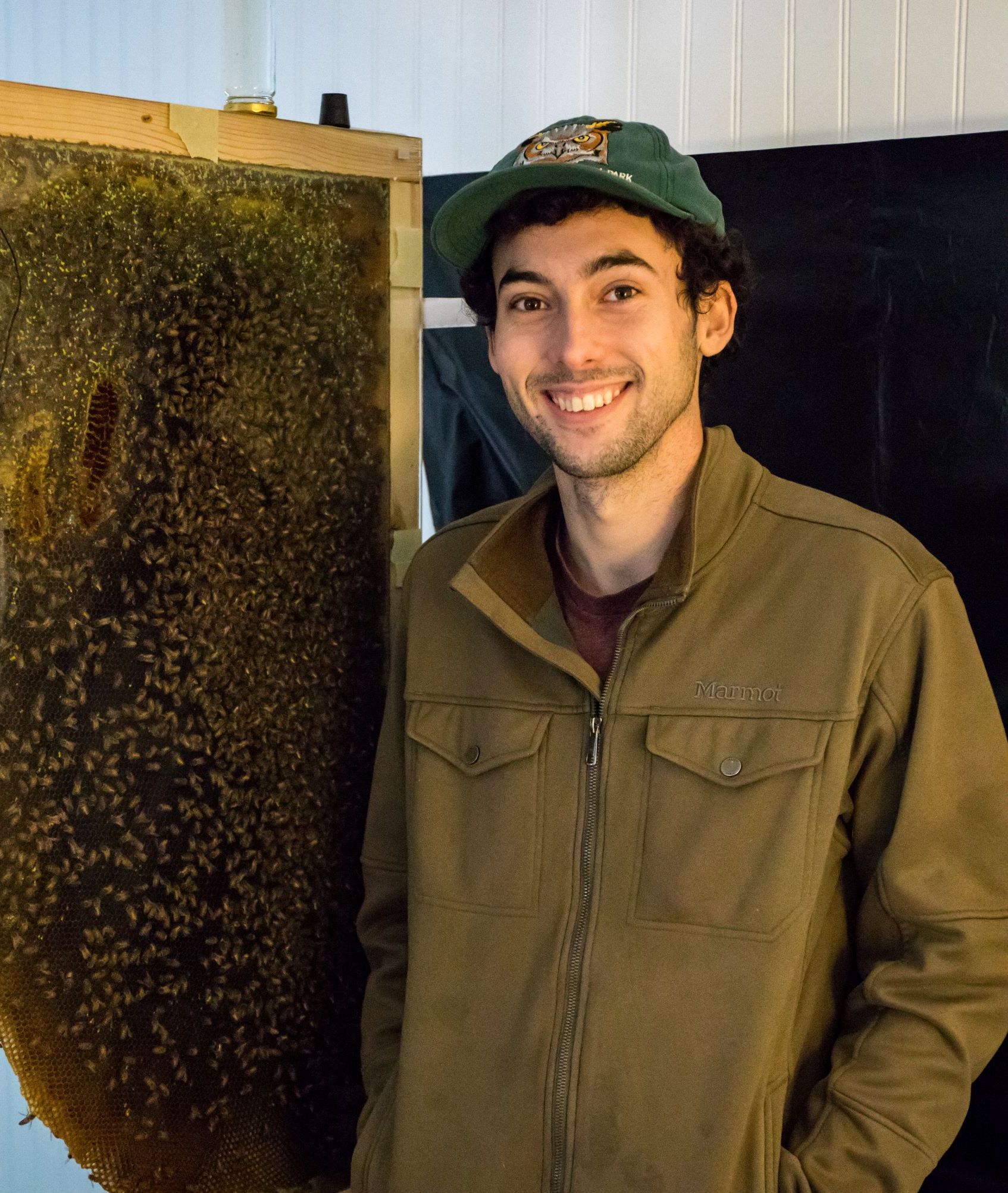
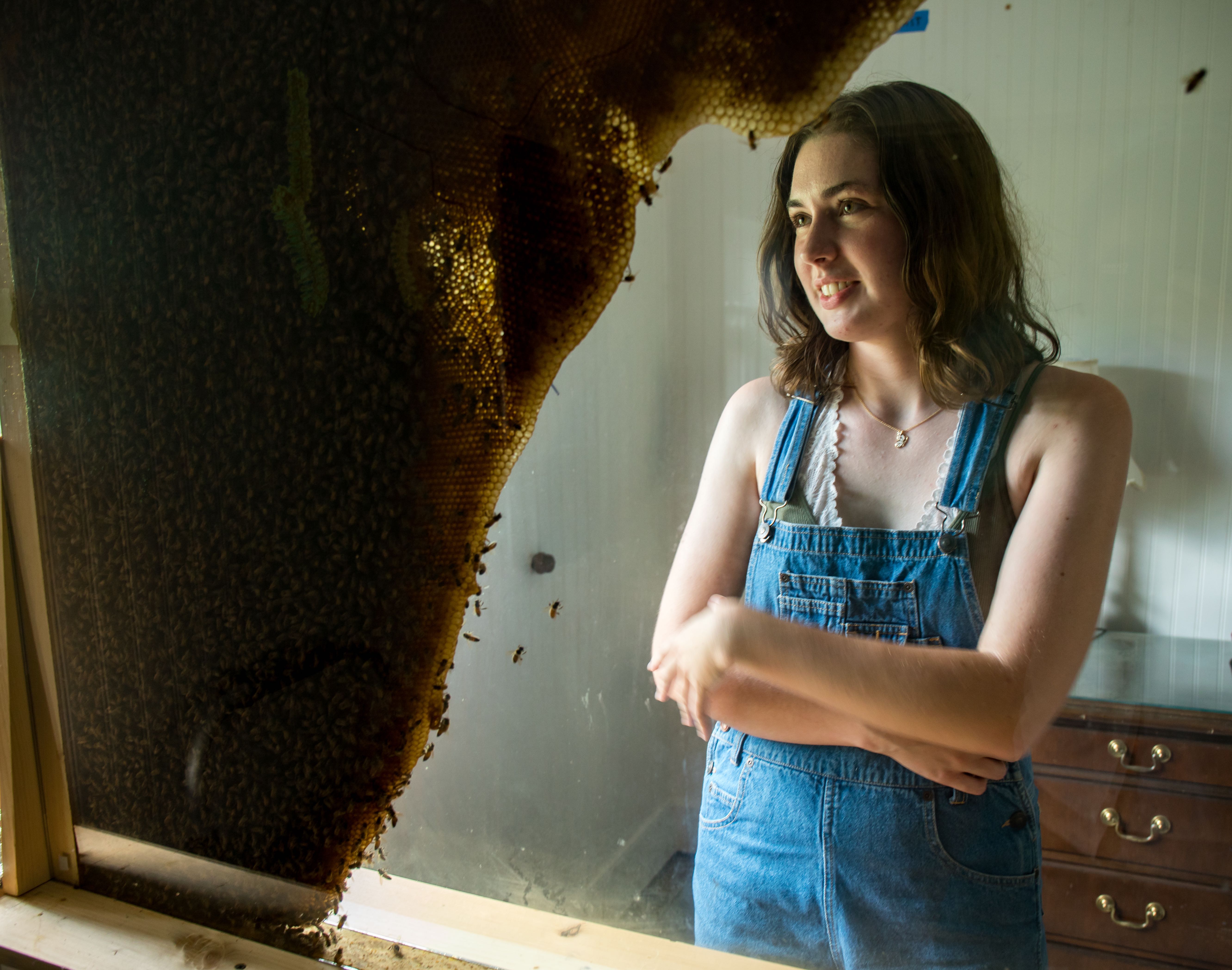
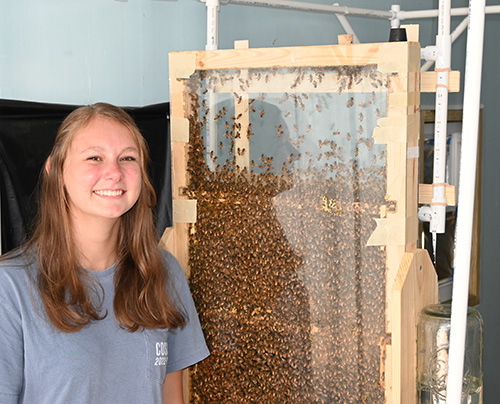
Clair Dickinson
Undergraduate Researcher
B.S. in Organismal Biology, Auburn University, expected graduation May 2024
Kaitlyn McInerney
Undergraduate Researcher
B.S. in Organismal Biology, Auburn University, expected graduation May 2025
Olivia Smith
Undergraduate Researcher
B.S. in Software Engineering, Auburn University, expected graduation May 2024
Maritza R. Spott
Undergraduate Researcher
B.S. in Software Engineering, Auburn University, expected graduation May 2023
This could be you!
Postdoctoral Researcher
Ph.D., bla bla bla
B.A., bla bla bla
Or this!
Ph.D. Researcher
B.A., bla bla bla
…or maybe this!
Undergraduate Researcher
B.A. in Biology - Auburn University, expected graduation XXXX
The Smith Bee Lab officially OPENED at Auburn University on January 1st 2021. We are currently accepting applications at all levels. Learn more
… but you can’t be a Postdoc, PhD, and Undergrad all at once (look, there are physiological limits)
Join
The Smith Bee Lab welcomes researchers from all fields, whether you’re a biologist, computer scientist, engineer, physicist, or chemist. As long as you’re hard-working, dedicated, and curious, you’ll find a welcoming and productive intellectual environment. We work as a team, so please, no jerks.
Prior experience working with honey bees is not required.
Postdocs:
Please contact me via email to discuss potential positions and funding possibilities.
Graduate Students:
Prospective graduate students will be able to interview in January 2021, with formal applications due to the Department of Biological Science in February, and a start date of August 2021. Given current conditions, however, there is some flexibility in timing, so please contact me if you’re interested in making special arrangements.
Graduate students will join a lively community of biologists within the Department of Biological Sciences (DBS). Applications at both the M.Sc. and Ph.D. level are possible; application materials available here (Auburn does NOT require GRE’s - woohoo!). Please note that all students must have a faculty sponsor before submitting your official application (due early February), so if you are interested in joining the lab, please contact me via email beforehand.
When emailing me, please include:
Cover Letter with a brief description of your research interests and experience (~1 page)
CV, including your GPA, and contact information for professional references
Ph.D. students are strongly encouraged to apply for the NSF-GRFP, and I will gladly work with potential graduate students who would like to apply the year before starting graduate school (fellowship deadline in mid-October, lab interviews in January, DBS application due in February, begin graduate school in August). Auburn is unique, because GRFP recipients receive their cost of education as a research grant. This amounts to ~$12k per year, for three years, as your own personal research grant.
There are many different ways to get involved in the lab. Please send me an email briefly explaining your research interests (1-2 paragraphs). We can follow up to chat about your interests and possible opportunities.
Love honey bees, but from an Agricultural angle?
Consider contacting Dr. Geoffrey Williams, in the Department of Entomology & Plant Pathology. Aka, the AU Bee Lab at Auburn University.
Smith Bee Lab
101 Rouse Life Sciences Bldg
Auburn University
Auburn, AL 36849
USA
*Note that this is a mailing address, not where the lab is located
Where IS the Smith Bee Lab?
Physical Address:
Pond S-06, Auburn Lakes Rd, Auburn, AL 36830
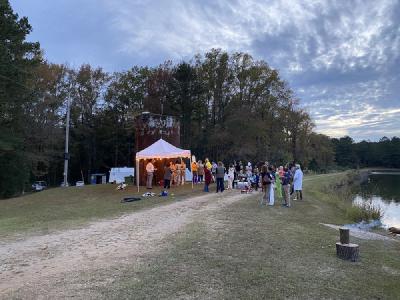
Aka Camp Lindauer
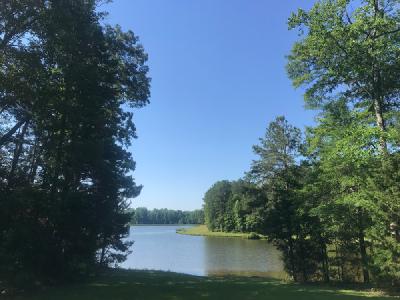
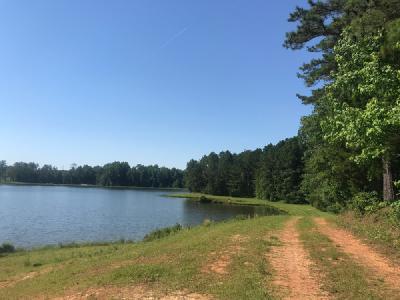
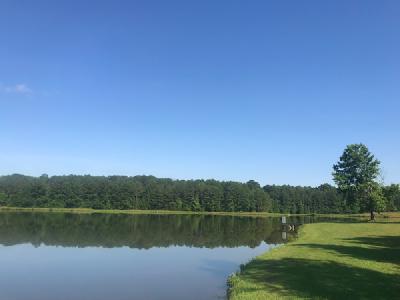
The Smith Bee Lab is in a beautifully wild location off-campus, surrounded by ponds, forested areas, and open fields. On-site, we have a full wet lab, observation hives aplenty, apiaries within walking distance, walk-in freezer storage, dry storage, office space, and a workshop. It’s the perfect place for field work, while also conveniently located only 15 minutes from all the main campus facilities.